

Developers submit two-thirds of 16th and Broadway master plan near Kauffman Center
Plans have been submitted for two towers within the proposed 16th and Broadway development near Kansas City’s Kauffman Center for the Performing...
1 min read



Associate Vice President
Millennials are quickly becoming known as disruptors when it comes to particular areas of business that otherwise have been relatively predictable up until now. Architecture, and hotels especially, are no exception to a shift in paradigm. From the integration of technology, to the creation of open-concept floorplans, what millennials crave is transforming how hotels approach design concepts in order to better attract and serve their guests.
Technology and Hospitality Industry Design
Technology-based design elements are the primary way that the millennial shift is occurring. Amenities like TVs and Wi-Fi have not always been as ubiquitous as they are now. In fact, providing a flat-screen TV in a hotel room is now becoming an industry baseline for even the cheapest accommodations. A strong Wi-Fi connection is now more coveted than parking or even complimentary breakfast at hotels. Readily available Wi-Fi access has proven to be a necessity for both business and leisure travelers.
As the millennial generation continues to age and have children of their own, even more will be expected of hotel design, such as the addition of Amazon’s Alexa and smart control panels for lighting, room temperature. Hotels have even begun media partnerships with a variety of streaming services that be offered for free to hotel guests like the Showtime Hotel App. Several hotels including the Hyatt Regency San Francisco, Caesar’s Palace and Dream Downtown NYC also just recently announced partnerships with Google’s New Google Assistant Interpreter Mode, in which users are able to receive translations for dozens of languages and conduct conversations in real- time.
Because technology moves at such a fast pace, hotels have no choice but to update. The consumer demand for more technology in travel accommodations is driving a plethora of innovation within hotel design and function. In addition to utilizing technology for hotel guests, smart hotels brands are also seeking ways in which technology can help improve work for its employees.
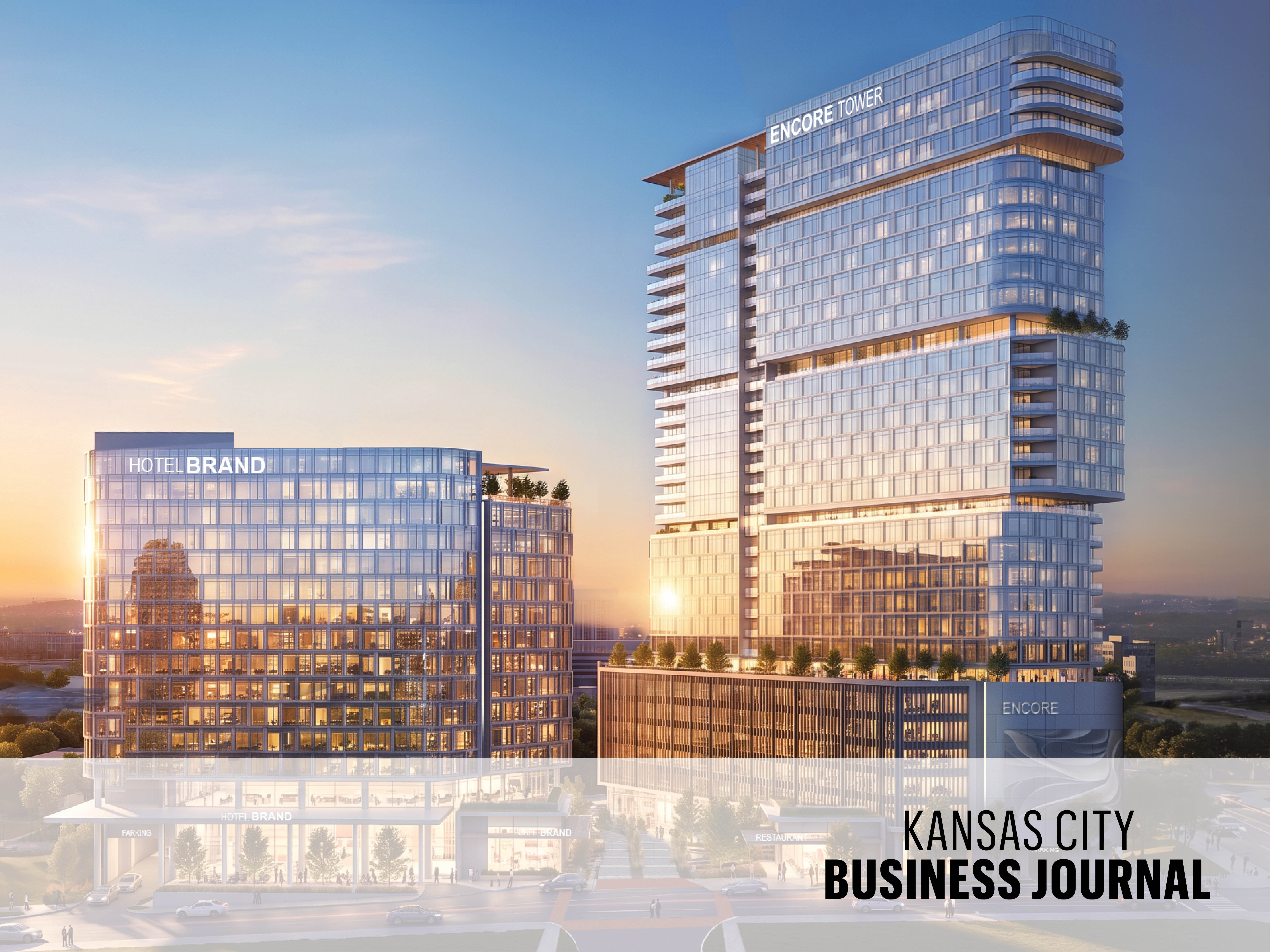
Plans have been submitted for two towers within the proposed 16th and Broadway development near Kansas City’s Kauffman Center for the Performing...
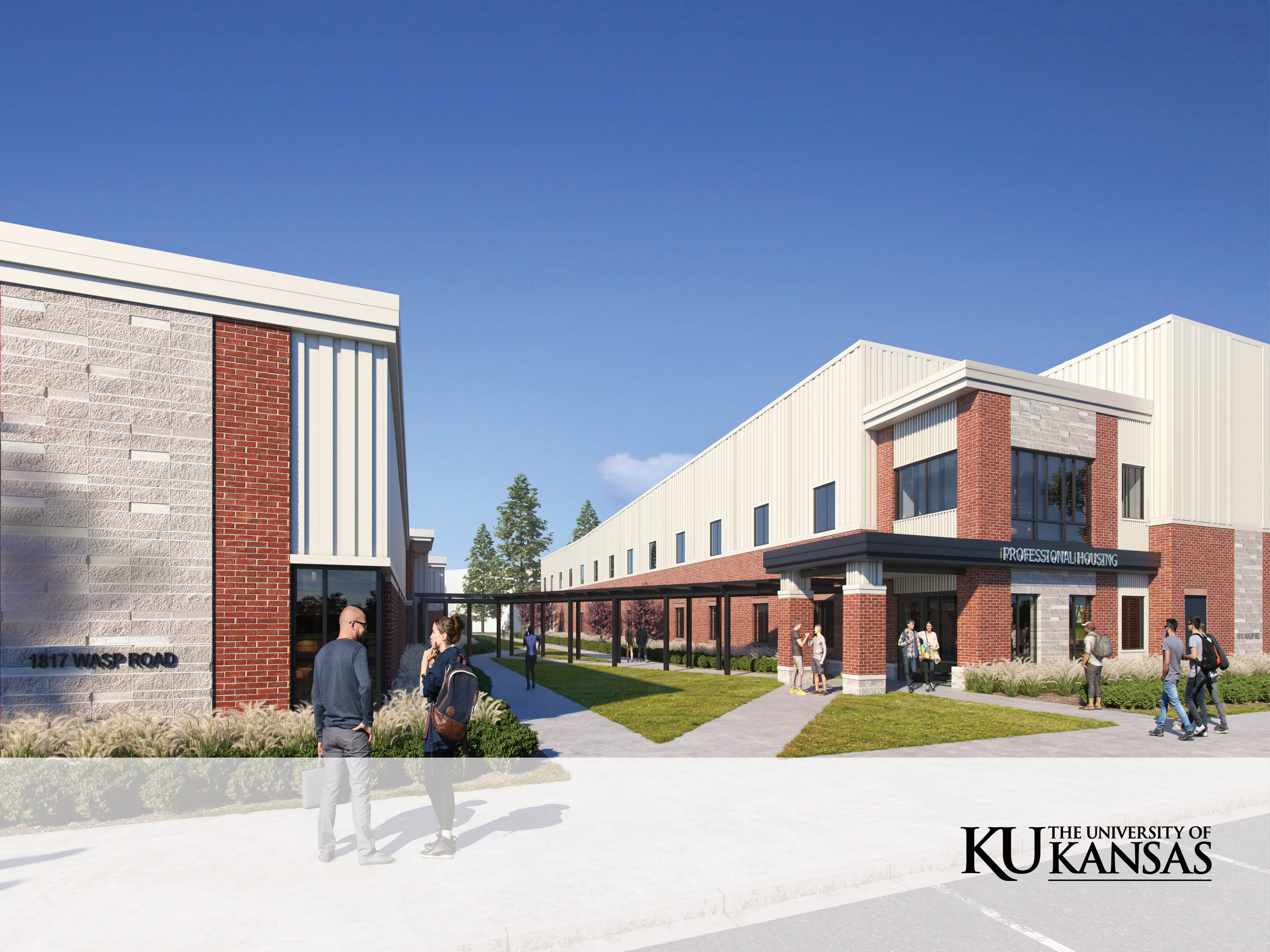
The Kansas Law Enforcement Training Center near Hutchinson celebrated the opening of two new facilities on October 2. Designed by Hoefer Welker and...
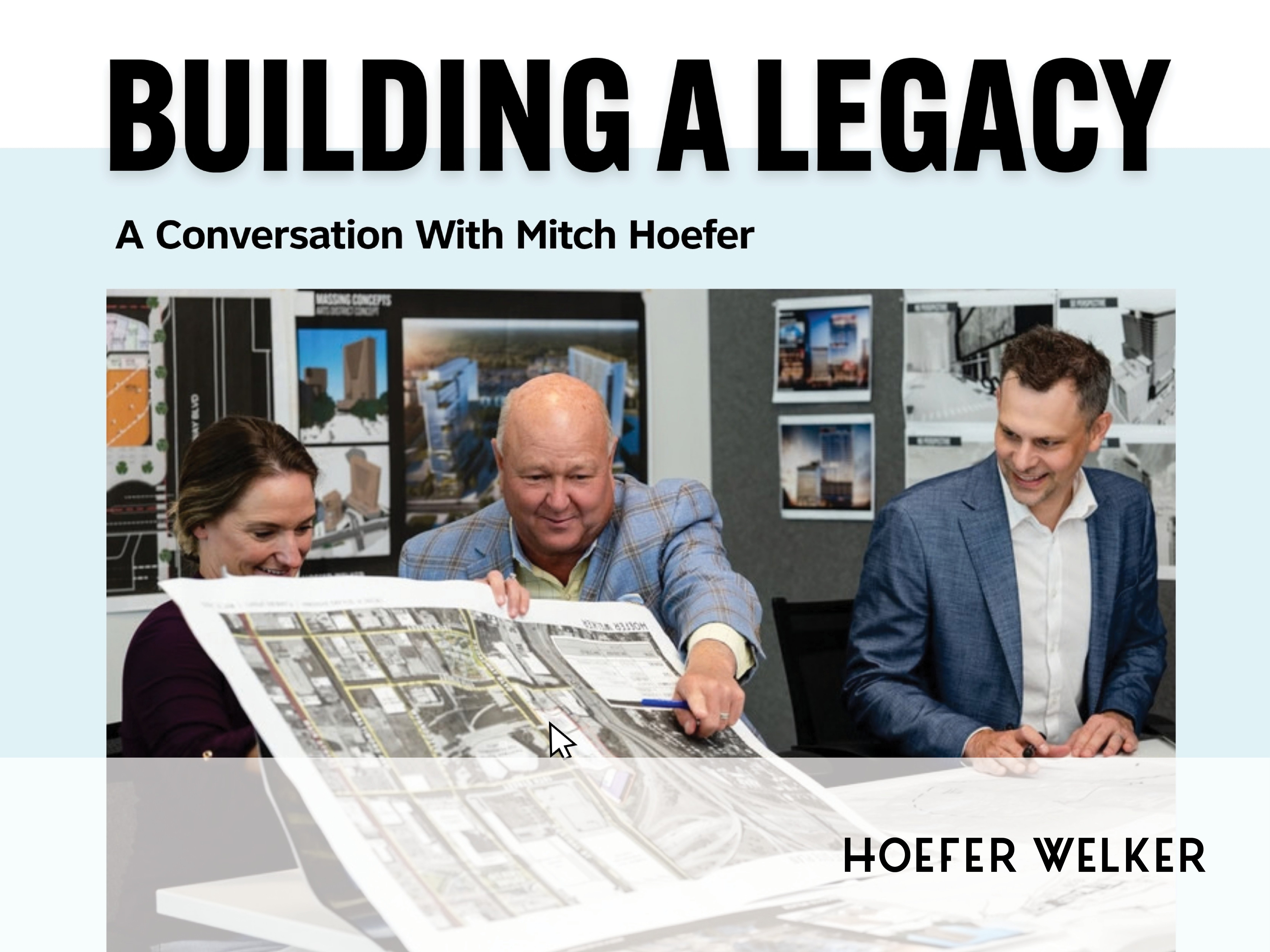
Driven by an entrepreneurial spirit, Mitch Hoefer has spent more than three decades shaping Hoefer Welker, building a firm grounded in design...